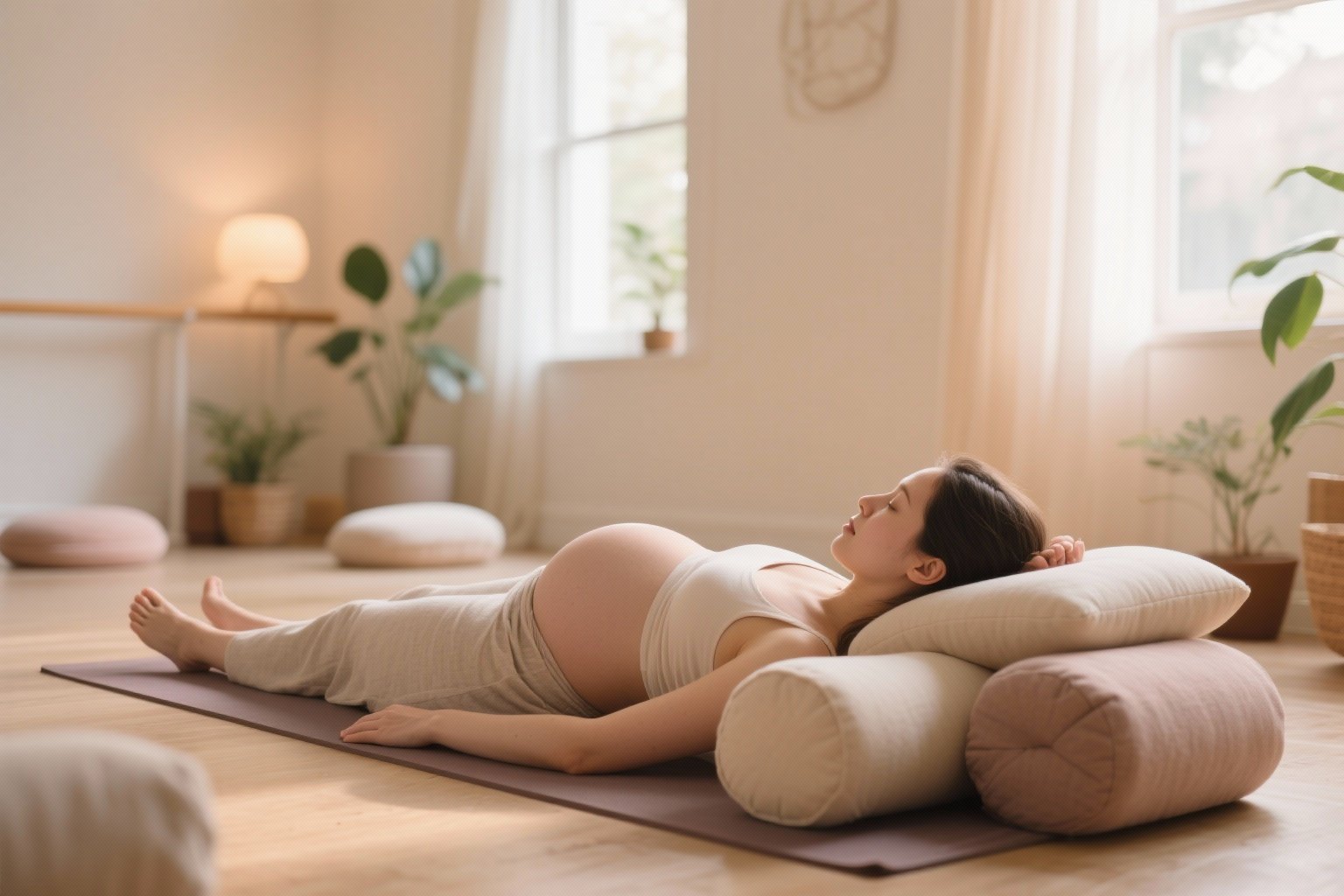
Pregnancy is a beautiful, transformative journey that also comes with physical challenges. Prenatal yoga offers a safe, effective way to stay active, reduce discomfort, and prepare your body and mind for childbirth.
Benefits of Prenatal Yoga
Physical Benefits
- Reduced back pain: Strengthens the muscles that support your growing belly
- Improved sleep: Gentle movement and relaxation techniques promote better rest
- Better circulation: Reduces swelling in hands and feet
- Increased stamina: Builds endurance for labor and delivery
Mental and Emotional Benefits
- Reduces anxiety and stress
- Provides a supportive community of other expecting mothers
- Helps you connect with your baby
- Teaches breathing techniques useful during labor
Safe Practices for Each Trimester
First Trimester
Focus on gentle movements and avoid overheating. Listen to your body—fatigue is common in early pregnancy.
Second Trimester
This is often when you feel your best. You can maintain a more active practice, but avoid deep twists and poses that compress the belly.
Third Trimester
Focus on poses that prepare for labor, such as squats and hip openers. Use props for support and comfort.
Poses to Avoid
- Deep backbends
- Lying flat on your back after the first trimester
- Deep twists
- Inversions (unless you practiced them regularly before pregnancy)
- Hot yoga
Breathing for Labor
Prenatal yoga teaches breathing techniques that are invaluable during labor. Practice deep belly breathing and ujjayi breath (ocean breath) to help manage contractions.
Finding the Right Class
Look for classes specifically designed for pregnant women, taught by instructors with prenatal certification. Always consult your healthcare provider before starting any exercise program during pregnancy.
Remember, prenatal yoga is not about achieving perfect poses—it's about nurturing yourself and your baby, building strength, and preparing for the incredible journey ahead.